
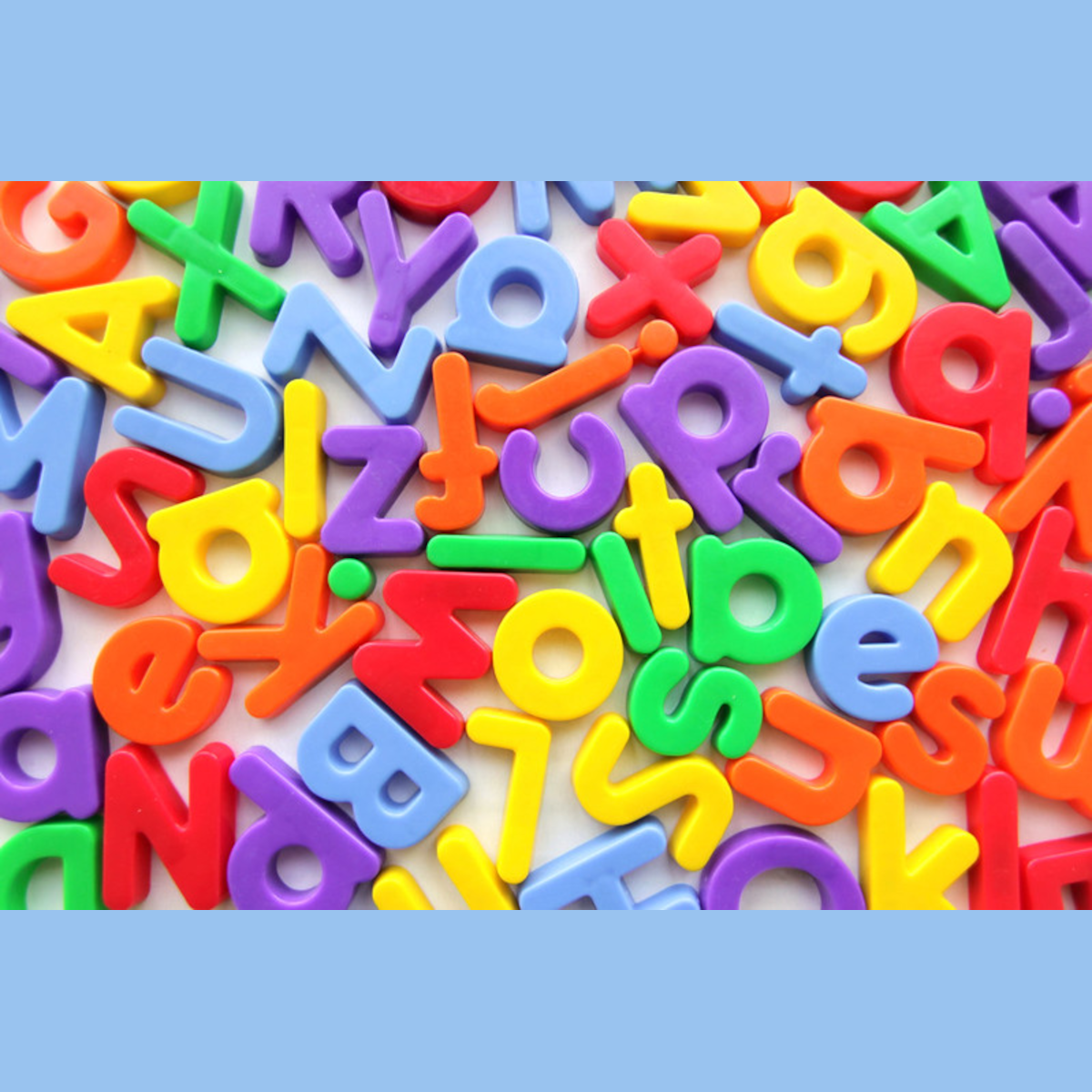


Let’s talk anagrams! In the movie “Anniyan” (dubbed in Telugu as Aparichithudu and in Hindi as Aparichit), DCP Prabhakar and SI Chari try to decipher a cryptic code written by a psycho killer. They decide to find the 6x5x4x3x2x1 permutations of “akoonpatham” (அகூந்பதம்) and verbalize the possible jumbled versions. This idea repeats itself a couple of times in the movie, with Vivek voicing the permutations of “kumbeebaagam” (கும்பீபாகம்) and eventually “munthiri pakoda” (முந்திரி பக்கோடா), or Cashew Pakoda, a rearrangement of which is ‘thirimuntakoba.’
While these jokes were well-received, and several videos were and still are posted on TikTok and YouTube over these phrases, I appreciate the clever way of teaching permutations and unraveling a jumble. This brings us to an interesting literary device like
An anagram is a literary device in which the letters that make up a word, phrase, or name are rearranged to create new ones. They are a form of wordplay where the new arrangement spells something comprehensible and not gibberish, as seen in the examples from Anniyan.
There are excellent examples of anagrams in English where they actually mean or define the original word, phrase, or name. For example, “elegant man” is a rearragment for “a gentleman.” These are used in writing to provide humor, introduce satire, hide a mystery, or even rephrase the obvious.
Decode these Anagrams:
- radium came
- no city dust here
- eleven plus two
- moon starers
- they see
- a stew, sir?
- here come dots
- voices rant on
- detect thieves
- I’m a dot in place
Let us look at related concepts, such as synanagrams, which refer to rearragements of words into ones with similar meanings. For example, “angered” and “enraged” form such a pair.
Conversely, when a rearrangement means the opposite, they are called antigrams, often used to convey sarcasm. For instance, “real fun” is an antigram of “funeral.”
In The Da Vinci Code by Dan Brown, the main character decodes a series of synanagrams to find the next clues:
- O, Draconian devil! – Leonardo da Vinci
- Oh, lame saint! – The Mona Lisa
- So dark the con of Man – Madonna of the Rocks
In the Harry Potter series, the name “Tom Marvolo Riddle,” a character trapped in a mysterious limbo, is a rearrangement of the phrase “I am Lord Voldemort.”
While English yields to such word plays using anagrams, such possibilities are limited in Tamil. For example ‘வதம்’ (vatham – torment/murder) and ‘தவம்’ (thavam – meditation) are antigrams.
If you know of interesting anagrams in English or your language, do share them in the comments!
Did you manage to find the original words for the phrases above? Here are the answers.
- radium came – Madam Curie
- no city dust here – The countryside
- eleven plus two – twelve plus one
- moon starers – astronomers
- they see – the eyes
- a stew, sir? – waitress
- here come dots – the Morse code
- voices rant on – conversation
- detect thieves – the detectives
- I’m a dot in place – a decimal point
Learn more about anagrams online at ‘I, Rearrangement Server’ or ‘Internet Anagram Server‘ here.
Photo Courtesy: “Alphabetical Jumble / Buchstabensalat II” by manoftaste.de is licensed under CC BY 2.0.
